What to See in Lisbon: Explore Lisbon Beyond the Tourist Trail
Por We Love Small Hotels | 19 maio 2026
Walk Through Lisbon: A Journey Through Time
Lisbon is one of Europe’s most searched travel destinations right now, but beyond the famous yellow trams and crowded viewpoints, there’s another side of the city waiting to be discovered.
This is a city best experienced slowly. Through historic neighbourhoods, traditional cafés, hidden viewpoints, family-run taverns and streets where the sound of Fado still echoes late into the night. While many visitors rush through Lisbon’s main attractions, the real magic often happens in the quieter corners of the city.
If you’re looking for authentic things to do in Lisbon and want to experience the Portuguese capital more like a local, here are some of the best places to explore in Lisbon in 2026.
1. Visit Castelo de São Jorge for the Best Views in Lisbon
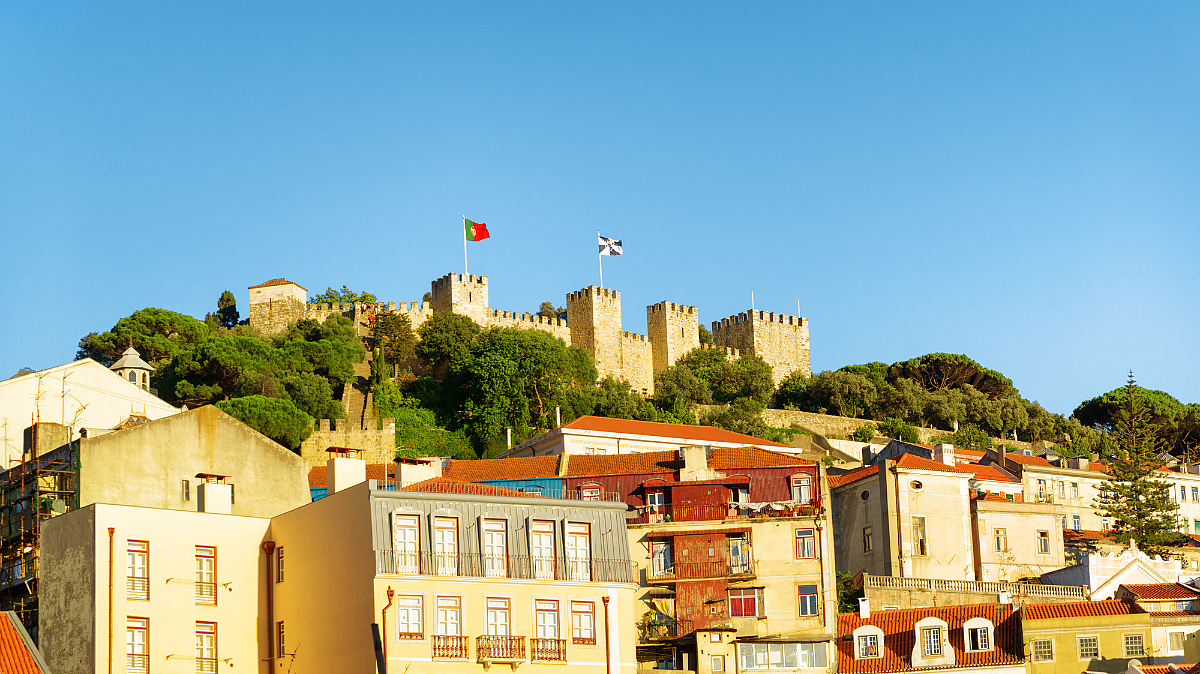
Perched above the city, Castelo de São Jorge remains one of the most iconic places to visit in Lisbon.
Originally built during the Moorish period, the castle played a key role in Lisbon’s history and today offers some of the best panoramic views over the city and the Tejo River. But beyond the views themselves, the atmosphere around the castle feels unique. Narrow streets wind through Alfama, old stone walls overlook red rooftops and the sound of church bells echoes through the hills below.
Early morning or late afternoon remains the best time to visit, when the light over Lisbon becomes softer and the crowds begin to disappear.
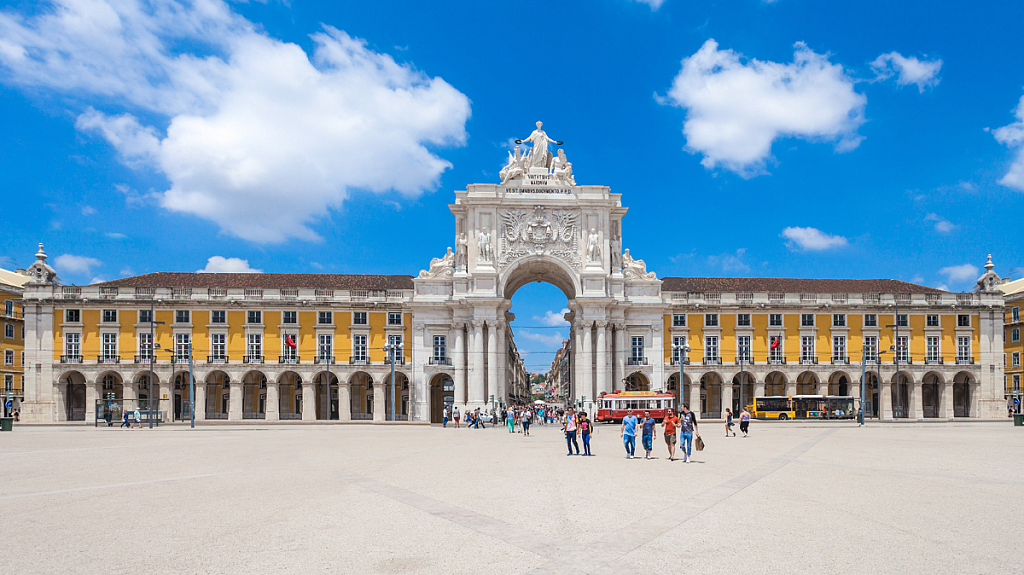
2. Walk from Sé de Lisboa to Praça do Comércio
From the castle, make your way down toward Sé de Lisboa, the city’s oldest cathedral.
The route between Alfama and Praça do Comércio is one of the best walks in Lisbon because it reveals the city’s layers of history, from medieval streets to the grandeur of Lisbon’s Age of Discoveries. Praça do Comércio, located beside the Tejo River, was once Lisbon’s main maritime entrance and remains one of the city’s most impressive squares. Nearby, the Lisbon Story Centre offers a deeper understanding of the 1755 earthquake that transformed the city forever.
This entire area remains essential for anyone interested in Lisbon history, architecture and Portuguese culture.
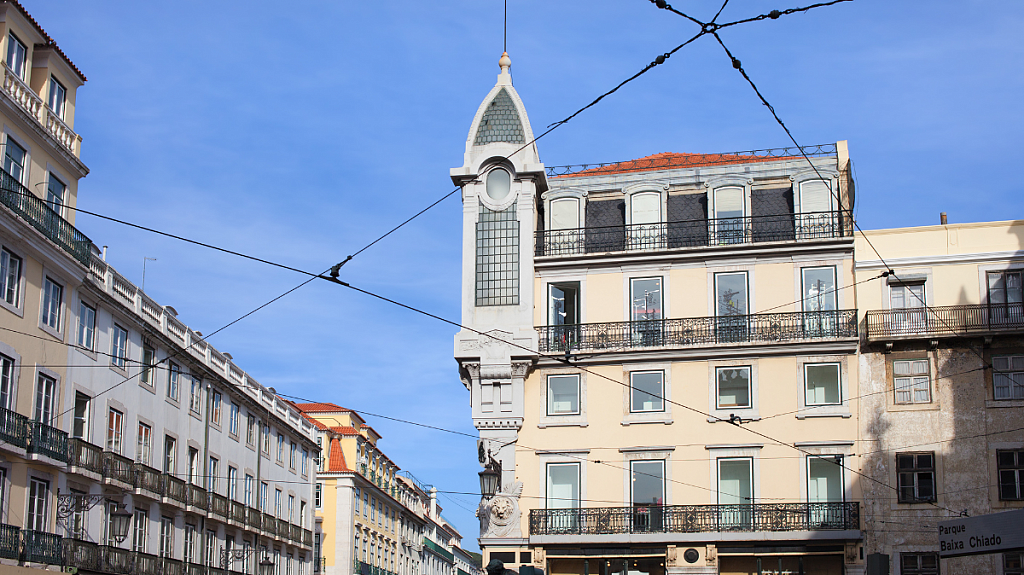
3. Explore Baixa and Chiado Like a Local
Baixa and Chiado are often considered the heart of Lisbon.
Baixa, rebuilt after the 1755 earthquake, introduced one of Europe’s earliest examples of modern urban planning. Wide streets, elegant facades and grand squares still define the area today. Just uphill, Chiado feels more artistic and timeless. Historic bookstores, theatres and cafés create one of Lisbon’s most charming neighbourhoods. Places like A Brasileira still preserve the atmosphere of old Lisbon, where writers, intellectuals and artists once gathered.
For travelers searching for authentic Lisbon experiences, this is one of the best areas to slow down, sit at a café terrace and simply observe the rhythm of the city.
4. Discover Alfama and Mouraria Through Fado
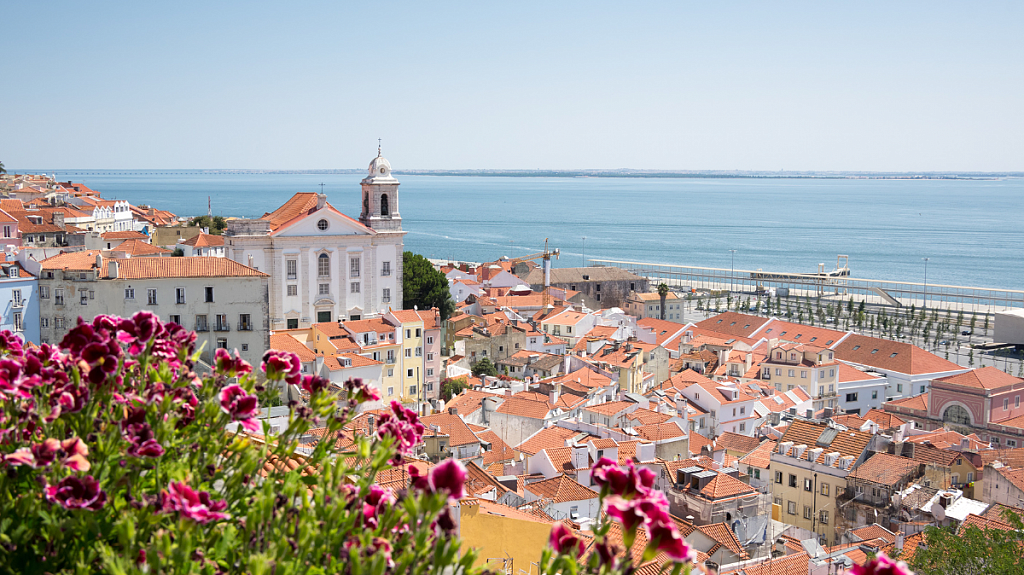
No Lisbon travel guide feels complete without experiencing Fado. Alfama and Mouraria are the soul of Lisbon, neighbourhoods where narrow streets, tiled facades and traditional taverns preserve the city’s most authentic atmosphere.
Alfama remains Lisbon’s oldest district, filled with hidden staircases, small local restaurants and viewpoints overlooking the Tejo River. At night, the sound of live Fado drifts through the streets from traditional taverns illuminated by candlelight. Nearby, Mouraria, considered the birthplace of Fado, reveals a more multicultural and local side of Lisbon, where street art, cafés and everyday life coexist naturally.
For one of the best viewpoints in Lisbon, stop at Miradouro de Santa Luzia or Senhora do Monte at sunset.
5. Visit Graça and the Panteão Nacional
Graça remains one of Lisbon’s most authentic neighbourhoods. Located on one of the city’s highest hills, the area combines incredible viewpoints, local cafés and a slower atmosphere that still feels residential despite Lisbon’s growing popularity.
Nearby, the Panteão Nacional offers one of the most beautiful domes in Lisbon and panoramic views over Alfama and the river. The building also holds the tomb of Amália Rodrigues, Portugal’s most iconic Fado singer. Just outside, Feira da Ladra, Lisbon’s famous flea market, offers antiques, vintage objects and local curiosities every week.
For a deeper dive into Portuguese history, consider a guided tour with Lourenço, who will bring these stories to life with fascinating details and local insights. Lisbon’s streets are filled with stories waiting to be uncovered, so put on your walking shoes and step into the past!
6. Skip Tram 28 and Take Tram 15 to Belém
While Tram 28 has become one of Lisbon’s most famous tourist attractions, Tram 15 offers a much calmer and more scenic experience. The route follows the Tejo River toward Belém, passing through Cais do Sodré, Alcântara and Lisbon’s historic waterfront.
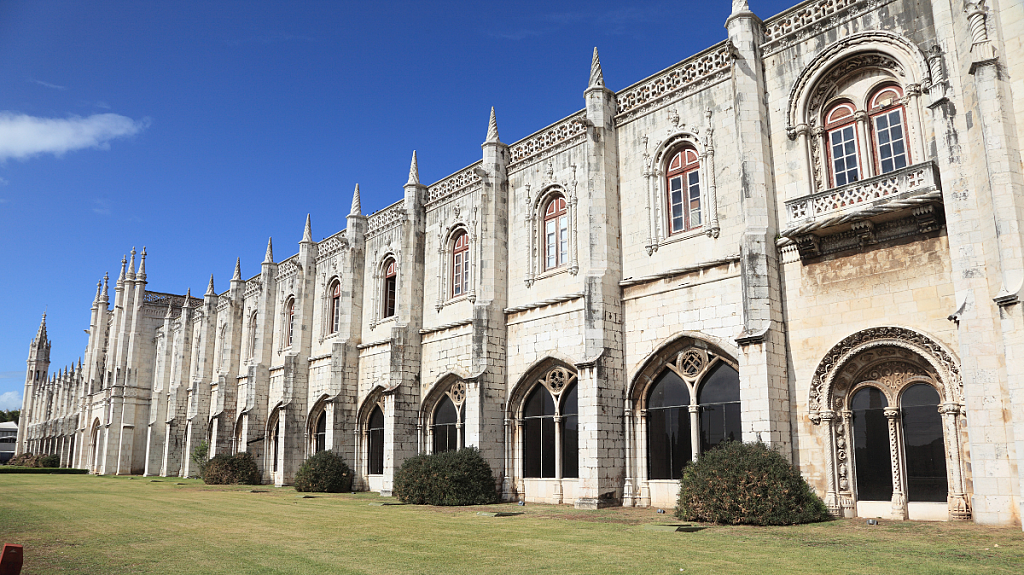
Belém remains one of the best places to visit in Lisbon for history lovers. Here you’ll find:
- Mosteiro dos Jerónimos;
- Torre de Belém;
- Padrão dos Descobrimentos;
- and the famous Pastéis de Belém bakery.
Walking beside the river at sunset with views of Ponte 25 de Abril remains one of Lisbon’s simplest but most memorable experiences.
7. Discover Sintra Beyond the Palaces
Only a short distance from Lisbon, Sintra feels completely different from the capital. Surrounded by forests, mountains and mist-covered hills, the region inspired writers like Lord Byron and remains one of the most magical places to visit in Portugal.
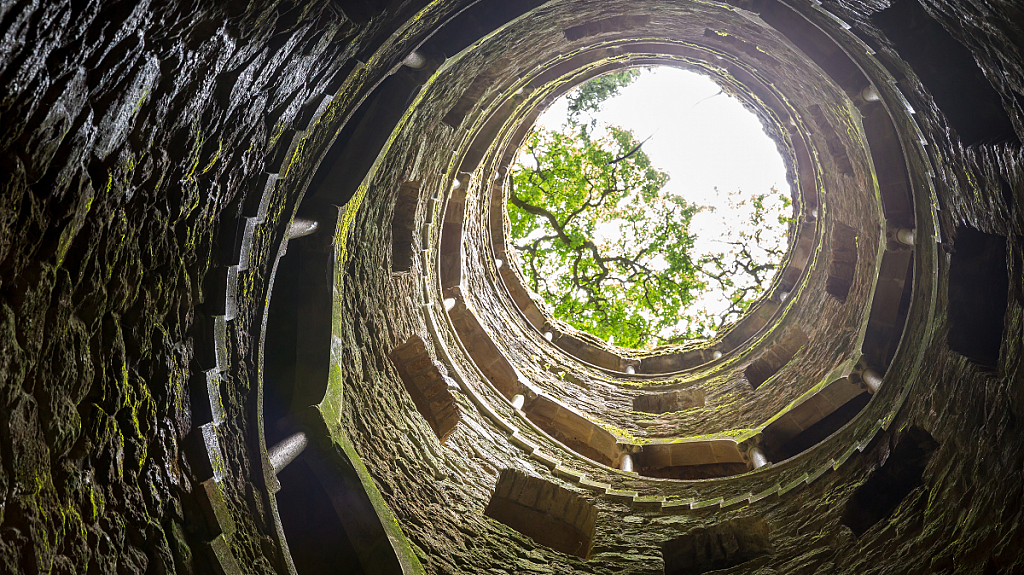
While Pena Palace attracts most visitors, Sintra is best experienced slowly and beyond the main tourist route. Walking through the forest trails surrounding Castelo dos Mouros, Quinta da Regaleira or the Pena Gardens reveals a quieter and more atmospheric side of the region. After exploring, stop in Sintra village for a traditional travesseiro pastry at Casa Piriquita.
Just outside Lisbon, Sintra’s fairytale landscape has inspired poets like Lord Byron with its castles, palaces and lush gardens. Join a guided hike through the dense forest to the Moorish Castle (8th century) and the Pena Palace, a colourful masterpiece atop the hills.
8. Discover Lisbon’s Hidden Wine Region
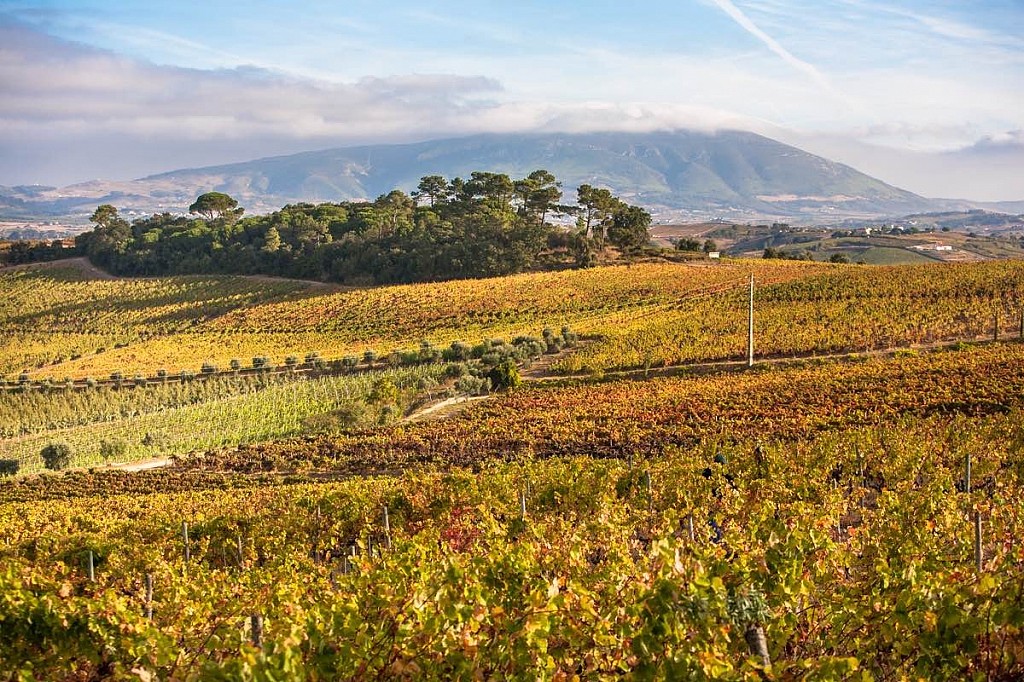
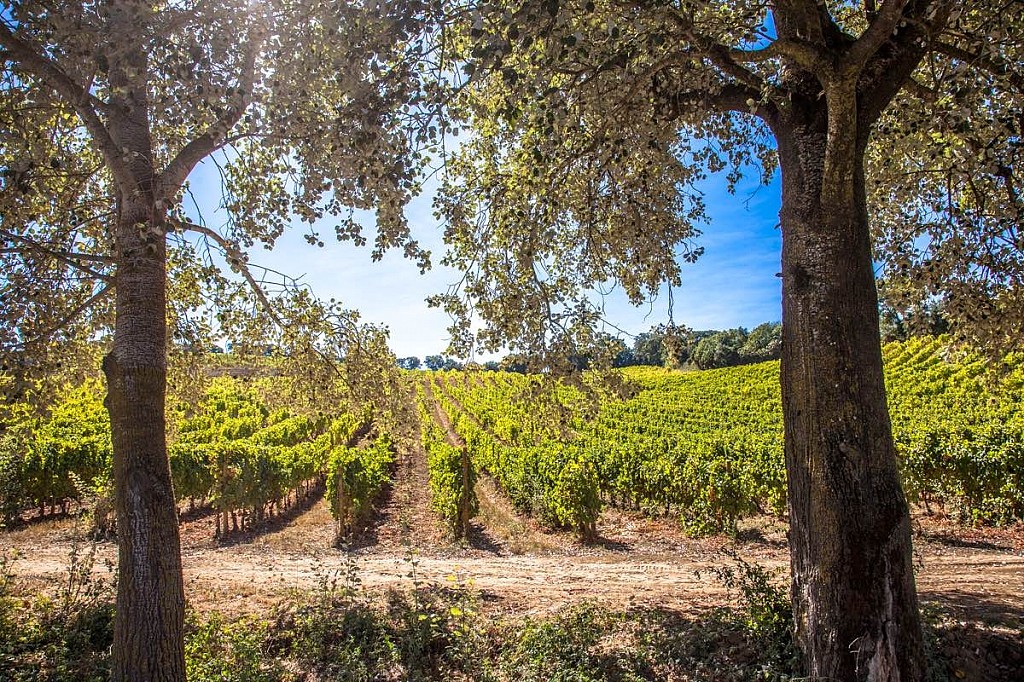
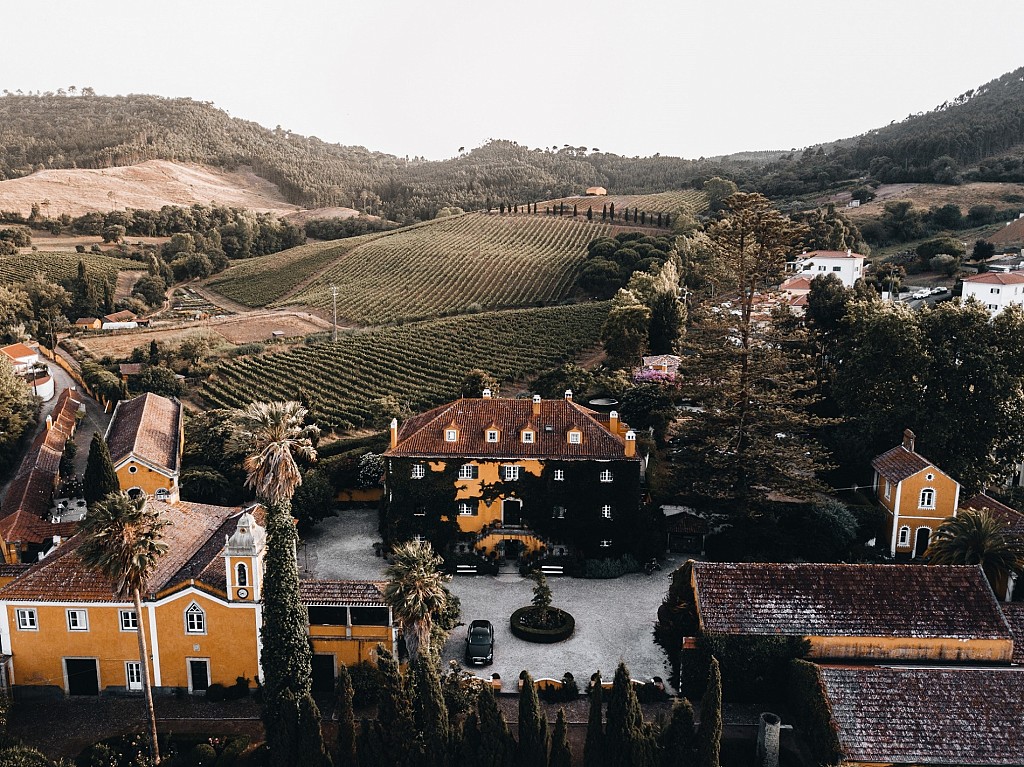
Few travelers realize that Lisbon is surrounded by incredible wine regions. Beyond the city, family-run vineyards continue producing Portuguese wines using traditions passed down through generations. Unlike larger commercial wineries, many of these producers still offer intimate and highly personal wine experiences.
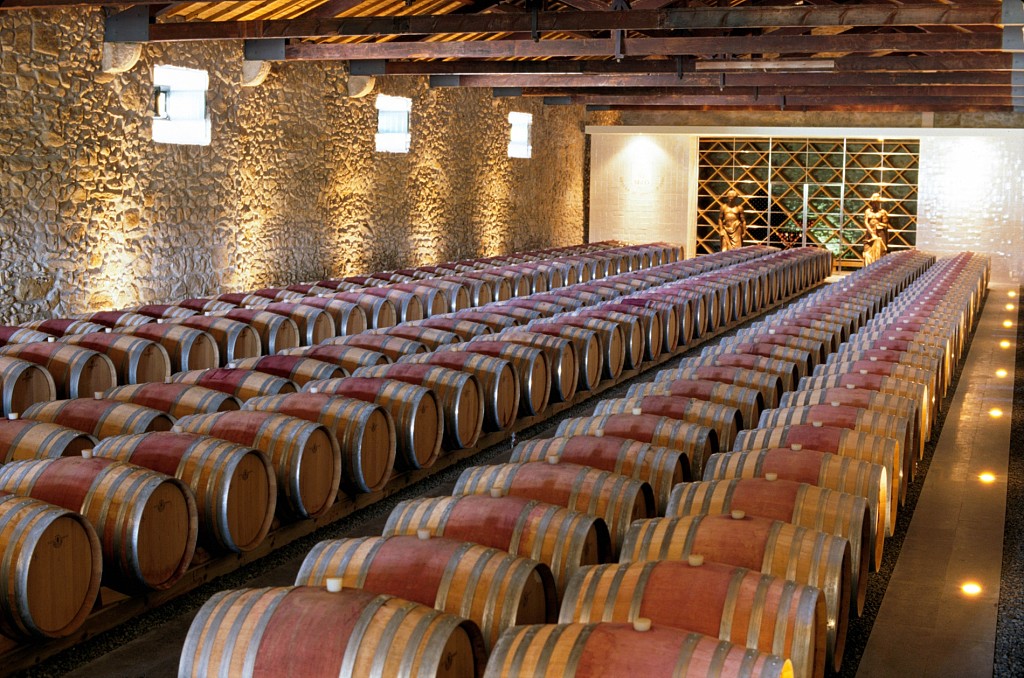
Join our Lisbon Family Vineyards Wine Experience and visit boutique wineries, meet passionate winemakers and taste exceptional wines in a relaxed, authentic setting. From rolling vineyards to charming cellars, this journey offers an intimate glimpse into Portugal’s wine heritage, far from the beaten path. A must for wine lovers seeking an authentic and immersive experience!
Frequently Asked Questions
What are the best things to do in Lisbon?
Some of the best things to do in Lisbon include exploring Alfama, visiting Castelo de São Jorge, riding Tram 15 to Belém, listening to Fado and discovering nearby Sintra.
What is the best area to stay in Lisbon?
Chiado, Alfama and Príncipe Real are some of the best areas to stay in Lisbon depending on whether you prefer history, nightlife or a quieter atmosphere.
Is Lisbon walkable?
Yes, definitely. Lisbon is one of Europe’s best cities to explore on foot, although visitors should expect steep hills and cobbled streets.
What are the best hidden gems in Lisbon?
Some of Lisbon’s hidden gems include Graça, Mouraria, local viewpoints, traditional tascas and the family vineyards surrounding the city.
Is Sintra worth visiting from Lisbon?
Absolutely. In our opinion, Sintra is one of the best day trips from Lisbon thanks to its palaces, forest landscapes and unique atmosphere.